
Alabama Set for Insurance Verification System

Alabama is set to initiate an insurance verification system. Insurance verification systems are trumpeted as a way to encourage drivers into buying liability insurance and reduce the number of uninsured drivers on Alabama roads. Car insurance verification systems set up online databases that allow police and other government officials to access the coverage status of any driver in the state.

secured lock Secured with SHA-256 Encryption

By clicking, you agree to our Terms of Use

Nationwide State Farm Allstate
AllstateState FarmNationwideLiberty MutualFarmers Insurance
Rachel Bodine

Insurance Feature Writer

Rachel Bodine graduated from college with a BA in English. She has since worked as a Feature Writer in the insurance industry and gained a deep knowledge of state and countrywide insurance laws and rates. Her research and writing focus on helping readers understand their insurance coverage and how to find savings. Her expert advice on insurance has been featured on sites like PhotoEnforced, All...

Written by
Rachel Bodine
Michelle Robbins

Licensed Insurance Agent

Michelle Robbins has been a licensed insurance agent for over 13 years. Her career began in the real estate industry, supporting local realtors with Title Insurance. After several years, Michelle shifted to real estate home warranty insurance, where she managed a territory of over 100 miles of real estate professionals. Later, Agent Robbins obtained more licensing and experience serving families a...

Reviewed by
Michelle Robbins

Updated July 2024

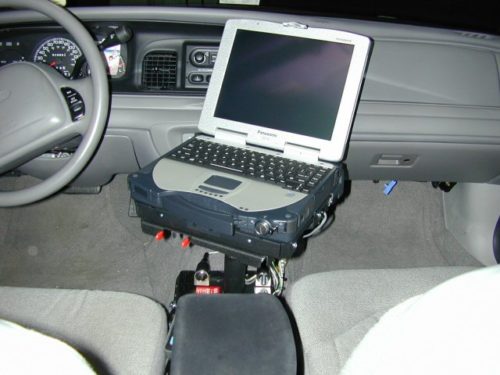
In 2013, police in Alabama will be able to verify if an insurance policy is valid.

In 2013, police in Alabama will be able to verify if an insurance policy is valid. (image by bobjohnson.com)

With legislation recently vetoed in Mississippi and signed into law in Alabama, insurance verification systems have been trumpeted as a way to both coerce drivers into buying liability insurance as well as solving the issue of the high numbers that continue to drive without insurance. But will these systems be a true panacea for the high numbers of uninsured drivers?

Laws exist across the nation with the same goal – to ensure every driver has minimum liability coverage. In Alabama, those caught driving without insurance can be fined $500.00 for a first offense. But even with these laws on the books, the Insurance Research Council (IRC) estimate that up to as many as one out of four drivers in Alabama don’t have coverage, the sixth highest rate of uninsured drivers in the United States. These drivers face the prospect of paying out of pocket in any crash that they cause as well.

In Mississippi, Governor Haley Barbour vetoed legislation that would have set up an electronic insurance verification system. While Barbour appeared to have agreed that the legislation would be a positive, he says he vetoed it in part because of the short length of time the state would have had to come up with their system – four months after passage. Mississippi is the second leading state for drivers without insurance, which the IRC estimates at 28%.

Auto Insurance Verification Systems: Ensuring Compliance and Safety

In the realm of motor vehicle insurance verification online, state initiatives like Alabama’s electronic verification system represent a significant step toward enforcing mandatory liability insurance laws. These systems, also known as third-party insurance verification services, utilize the Auto insurance database online to allow instant access to the insurance status of any driver within the state.

By enabling law enforcement and other authorized personnel to verify auto insurance coverage in real time, these systems aim to curb the prevalence of uninsured drivers on the roads. This proactive approach not only enhances road safety but also streamlines the process of identifying and penalizing drivers who fail to maintain adequate insurance coverage.

Auto insurance verification services provide a crucial layer of accountability in ensuring that all drivers carry valid liability insurance. Beyond merely verifying car insurance online, these systems play a pivotal role in preventing fraud and reducing the financial burden on victims of uninsured motorists.

By promptly identifying drivers without proper insurance coverage, states can enforce penalties and encourage compliance with insurance regulations more effectively. As such, vehicle insurance verification systems act as a safeguard against potential liabilities and ensure that all motorists contribute to the financial responsibility of operating a vehicle on public roads.

In the digital age, the integration of online insurance verification systems marks a significant advancement in law enforcement capabilities. By allowing instant car insurance verification coverage online, these systems empower authorities to enforce compliance swiftly and accurately.

This technological innovation not only supports the enforcement of state insurance laws but also enhances overall road safety by minimizing the risks associated with uninsured drivers. For states like Alabama and others adopting similar measures, the implementation of vehicle insurance verification systems represents a proactive strategy toward creating safer and more accountable roadways for all motorists.

Car Insurance Verification Online: Ensuring Seamless Compliance

In the realm of motor vehicle insurance verification, state initiatives like Alabama’s electronic verification system represent a significant step toward enforcing mandatory liability insurance laws. These systems, also known as third-party insurance verification systems, utilize online databases to allow instant access to the insurance status of any driver within the state.

By enabling law enforcement and other authorized personnel to verify auto insurance coverage online in real-time, these systems aim to curb the prevalence of uninsured drivers on the roads. This proactive approach not only enhances road safety but also streamlines the process of identifying and penalizing drivers who fail to maintain adequate insurance coverage.

Auto insurance verification services provide a crucial layer of accountability in ensuring that all drivers carry valid liability insurance. Beyond merely verifying car insurance online, these systems play a pivotal role in preventing fraud and reducing the financial burden on victims of uninsured motorists.

By promptly identifying drivers without proper insurance coverage, states can enforce penalties and encourage compliance with insurance regulations more effectively. As such, vehicle insurance verification systems act as a safeguard against potential liabilities and ensure that all motorists contribute to the financial responsibility of operating a vehicle on public roads.

Liability Insurance Verification Systems: Enhancing Safety and Compliance

In the digital age, the integration of online insurance verification systems marks a significant advancement in law enforcement capabilities. By allowing instant car insurance verification coverage online, these systems empower authorities to enforce compliance swiftly and accurately.

This technological innovation not only supports the enforcement of state insurance laws but also enhances overall road safety by minimizing the risks associated with uninsured drivers.

Implementing vehicle insurance verification systems in states such as Alabama and others adopting comparable measures signifies a proactive initiative aimed at fostering safer and more accountable roadways for all drivers. These systems play a crucial role in verifying auto insurance and ensuring compliance with regulations, thereby enhancing overall road safety and accountability among motorists.

Insurance verification online plays a critical role in maintaining public safety and ensuring that drivers adhere to legal requirements. By leveraging third-party insurance verification, states can efficiently verify liability insurance status, thereby reducing the number of uninsured drivers on the road.

This not only protects individual motorists from financial risks associated with accidents involving uninsured drivers but also fosters a more compliant driving culture.

As technology advances, these systems are expected to play an increasingly vital role in law enforcement efforts to verify car insurance coverage, promote responsible driving habits, and uphold road safety standards, accessible through car insurance coverage online.

Enhancing Accountability Through Online Insurance Verification

Implementing online insurance verification systems such as those in Alabama enhances accountability by allowing authorities to swiftly verify car insurance coverage online.

These systems enable instant access to insurance status, ensuring compliance with regulations and promoting safer roadways. By integrating technologies that verify insurance, states can effectively reduce incidents involving uninsured drivers, thereby fostering a more responsible driving culture

Implementing the Alabama Online Insurance Verification System

The introduction of the Alabama online insurance verification system marks a significant milestone in enhancing compliance with state insurance laws. This system, scheduled to go live, enables law enforcement and DMV officials to instantly access the insurance status of any driver within the state.

By leveraging real-time data from online databases, the Alabama DMV insurance verification system aims to curb the high rates of uninsured drivers, which the Insurance Research Council estimates to be among the highest in the nation.

Under the new Alabama insurance verification law, drivers are required to maintain minimum liability coverage. This legislation not only imposes fines on those caught driving without insurance but also aims to streamline the process of verifying insurance during routine stops or accidents.

Similar initiatives in states like Georgia and Texas have shown promise in reducing the financial burden on victims of uninsured motorists and promoting safer roadways overall.

Enhancing Road Safety Through State Insurance Verification Initiatives

In states across the country, including Arizona, West Virginia, and Rhode Island, the implementation of electronic insurance verification systems underscores a proactive approach to enforcing insurance regulations. These systems enable authorities to promptly identify uninsured drivers, thereby mitigating risks associated with accidents involving financially irresponsible motorists.

By integrating technology into DMV insurance verification processes, states can foster a more compliant driving culture and ensure that all drivers contribute responsibly to the costs associated with vehicle operation on public roads.

As these initiatives continue to evolve, the focus remains on leveraging digital tools to enhance accountability and safety on the roads. The insurance verification in Alabama and similar programs in other states exemplify how technological advancements are reshaping law enforcement capabilities and promoting adherence to insurance requirements for the benefit of all motorists.

Alabama ID Verification and Insurance License Search

In Alabama, the implementation of electronic insurance verification systems also integrates features for ID verification and Alabama insurance license searches. This initiative allows authorities to not only verify car insurance status but also ensure the validity of driver IDs and insurance licenses.

Similar systems, such as those used to check Alabama driver’s license status online for free, aim to enhance overall compliance with state regulations. Additionally, advancements in weather verification for insurance purposes further support accurate risk assessment and claims processing, bolstering the effectiveness of insurance verification systems across states like Illinois.

Car insurance verification in Illinois plays a crucial role in maintaining compliance with state insurance laws and ensuring that all drivers carry valid liability coverage.

Free Insurance Comparison

Compare Quotes From Top Companies and Save

secured lock Secured with SHA-256 Encryption

By clicking, you agree to our Terms of Use

Nationwide State Farm Allstate

Enhancing Compliance With State Insurance Verification: A Comprehensive Overview

State insurance verification systems play a crucial role in ensuring compliance with mandatory insurance laws across various states, including Georgia, Alabama, Texas, Arizona, West Virginia, and Rhode Island. These systems utilize advanced technology to verify the insurance status of drivers promptly, thereby promoting road safety and financial responsibility among motorists.

Key Components of the New Alabama Insurance Law

The new Alabama insurance law, implemented to curb the high rates of uninsured drivers, mandates that all drivers maintain minimum liability coverage. This legislation imposes fines and penalties on individuals caught driving without Alabama insurance, aiming to reduce the financial burden on victims of uninsured accidents.

Texas DMV Insurance Verification System: Implementation and Benefits

In Texas, the DMV insurance verification system operates through online databases, allowing law enforcement and DMV officials to verify insurance coverage in real-time. This proactive approach enhances the ability to enforce insurance regulations and penalize non-compliant drivers effectively.

Enhancing Compliance With State Insurance Verification

In an effort to enforce insurance requirements and reduce instances of uninsured driving, several states have implemented DMV insurance verification initiatives. Here’s how Arizona, West Virginia, and Rhode Island are leveraging technology to ensure drivers carry valid liability insurance:

  • Arizona DMV insurance verification: Arizona has implemented a DMV insurance verification initiative to ensure drivers carry valid liability insurance.
  • West Virginia DMV insurance verification: West Virginia’s DMV insurance verification system aims to streamline processes and reduce uninsured driving incidents.
  • Rhode Island DMV insurance verification: Rhode Island utilizes a DMV insurance verification initiative to promote safer road conditions by enforcing insurance requirements.

These initiatives not only streamline verification processes but also contribute to safer road conditions by ensuring all drivers have the required insurance coverage.

Advantages of Insurance Verification in Georgia

Georgia’s insurance verification system enhances accountability by providing immediate access to insurance status information for law enforcement and DMV personnel. This system aids in enforcing insurance laws and encourages responsible driving habits among Georgia motorists.

The Future of Insurance Verification Systems

As technology continues to advance, state insurance verification systems are poised to play an increasingly critical role in promoting road safety and compliance with insurance requirements nationwide. These systems not only safeguard motorists from financial risks but also contribute to a more conscientious driving culture across states implementing such initiatives.

Checking Insurance Status and DMV Insurance Lookup

In Alabama, the introduction of an electronic insurance verification system represents a significant stride towards ensuring all drivers maintain mandatory liability coverage. This system allows law enforcement and DMV officials to promptly check insurance status through online databases, facilitating real-time verification during routine stops or accidents.

For drivers, this means a heightened level of accountability, as the validity of insurance can now be verified instantly, reducing the likelihood of encountering uninsured motorists on the road.

Driving Without Insurance in Alabama: Consequences and Solutions

Driving without insurance in Alabama carries substantial penalties, including fines starting at $500 for a first offense. With the state ranking among the highest for uninsured drivers, these measures are crucial for promoting road safety and financial responsibility.

The new insurance verification system aims to curb this trend by providing law enforcement with immediate access to insurance status, enabling swift enforcement of penalties, and encouraging compliance with state insurance laws.

State Farm Insurance Verification and Third-Party Services

For insurance providers like State Farm, participating in state-mandated insurance verification systems ensures compliance and supports efforts to reduce uninsured driving incidents. These third-party verification services play a pivotal role in maintaining accurate insurance databases and facilitating seamless interaction between insurers and state authorities.

By integrating with these systems, insurers like State Farm contribute to a more efficient verification process, enhancing overall road safety and regulatory compliance.

Enhancing Road Safety Through Auto Insurance Verification

In states like Alabama, the implementation of auto insurance verification systems at the DMV not only streamlines the process of verifying insurance but also promotes a safer driving environment.

These systems leverage technology to verify car insurance status in real time, reducing administrative burdens and ensuring that all drivers meet their legal obligations. As these systems evolve, they continue to play a crucial role in enforcing insurance requirements and fostering a culture of responsible driving across the state.

How Will A Law Enforcement Officer Use Insurance Systems in Alabama?

Insurance systems designed to verify coverage set up online databases that allow police and other government officials to access the coverage status of any driver in the state. In the past, drivers could simply buy a policy with a down payment, and then cancel it immediately after registering their car.

When a police officer pulled over such a driver in the past, the driver simply presented their insurance card as proof of insurance. If the date of the policy was valid, the officer had no way to know if the insurance policy was actually still in effect.

It’s not so with the new system. If a driver has cancelled their policy, that information will be available to an officer with a simple search on their computer. The Alabama electronic verification system is scheduled to go live in 2013.

Will Roads Be Safer when Authorities Can See Insurance Status?

One of the biggest problems when an uninsured driver gets into an accident is payment. In the old Alabama system, drivers could present verification of insurance that wasn’t active. Of course, the insurance companies wouldn’t pay on any claims. Victims may eventually have to sue the responsible uninsured driver. Unfortunately, many of these drivers had no significant liquid assets to sue for leading to issues actually collecting the money.

With the new insurance systems, a law enforcement officer can check actual insurance status more immediately and take action. If the issue is not fixed, the state can take more action.

If you’re looking for a new insurance policy, put your zip code in our calculator and let us help you out.

Frequently Asked Questions

How to verify car insurance?

In Alabama and other states with electronic insurance verification systems, you can verify car insurance by checking online through the state’s designated insurance verification portal. This portal allows you to enter your details and instantly confirm the status of your insurance coverage.

How do police check insurance?

Police officers can check insurance status by accessing a real-time database through their in-car computer systems or mobile devices. This system allows them to verify whether a driver has valid insurance coverage at the time of a traffic stop or accident.

Can the DMV see if your insurance is active?

Yes, the DMV (Department of Motor Vehicles) can see if your insurance is active through the electronic insurance verification system. This system provides DMV officials with instant access to insurance status, ensuring compliance with state insurance laws during vehicle registration and other administrative processes.

How much is a ticket for no insurance in Alabama?

In Alabama, driving without insurance can result in a fine of $500 for a first offense. Subsequent offenses may lead to higher fines, license suspension, and other penalties as mandated by state law.

Get a FREE Quote in Minutes

Insurance rates change constantly — we help you stay ahead by making it easy to compare top options and save.

secured lock Secured with SHA-256 Encryption

By clicking, you agree to our Terms of Use

Nationwide State Farm Allstate
Liberty MutualState FarmAllstateNationwide